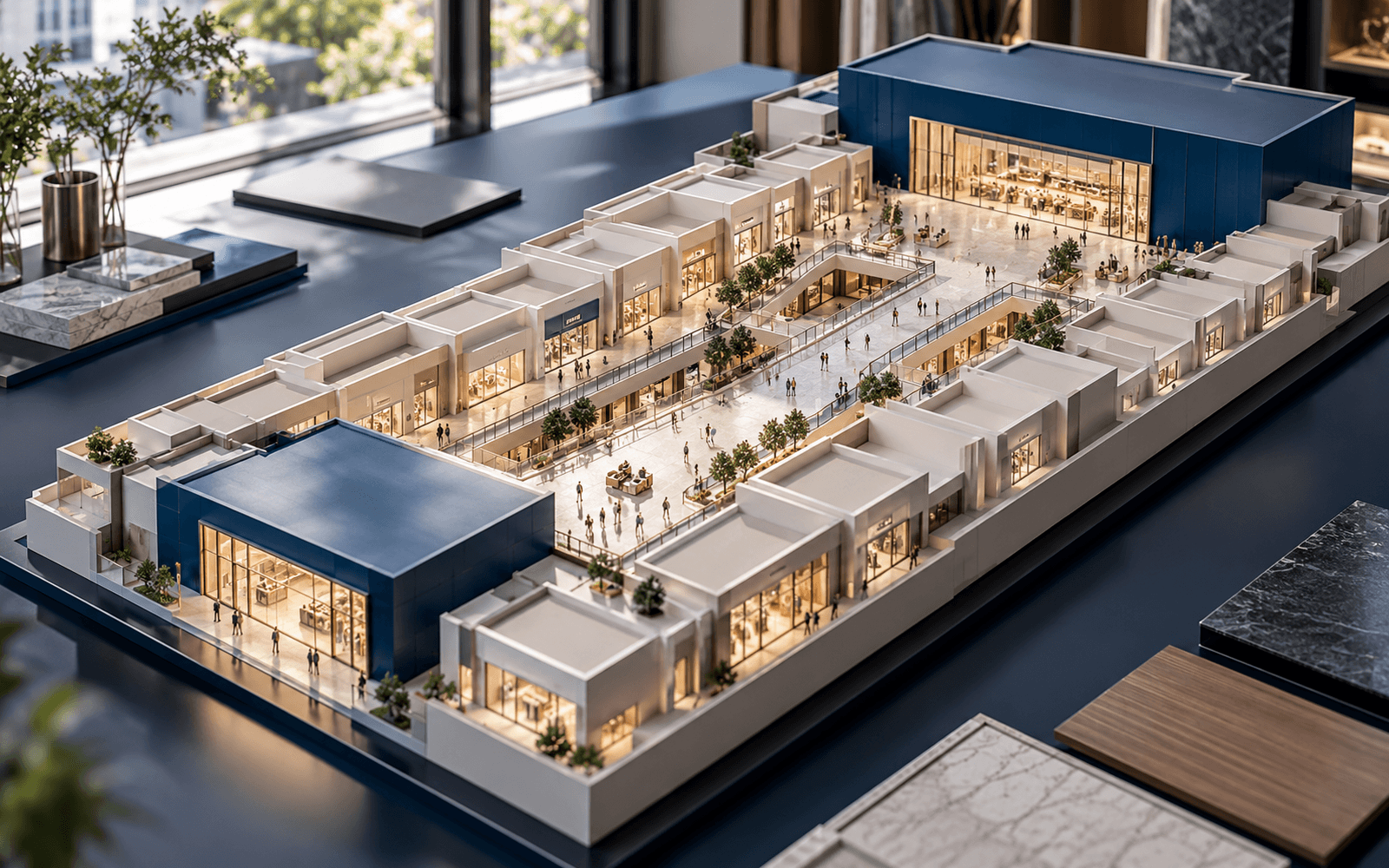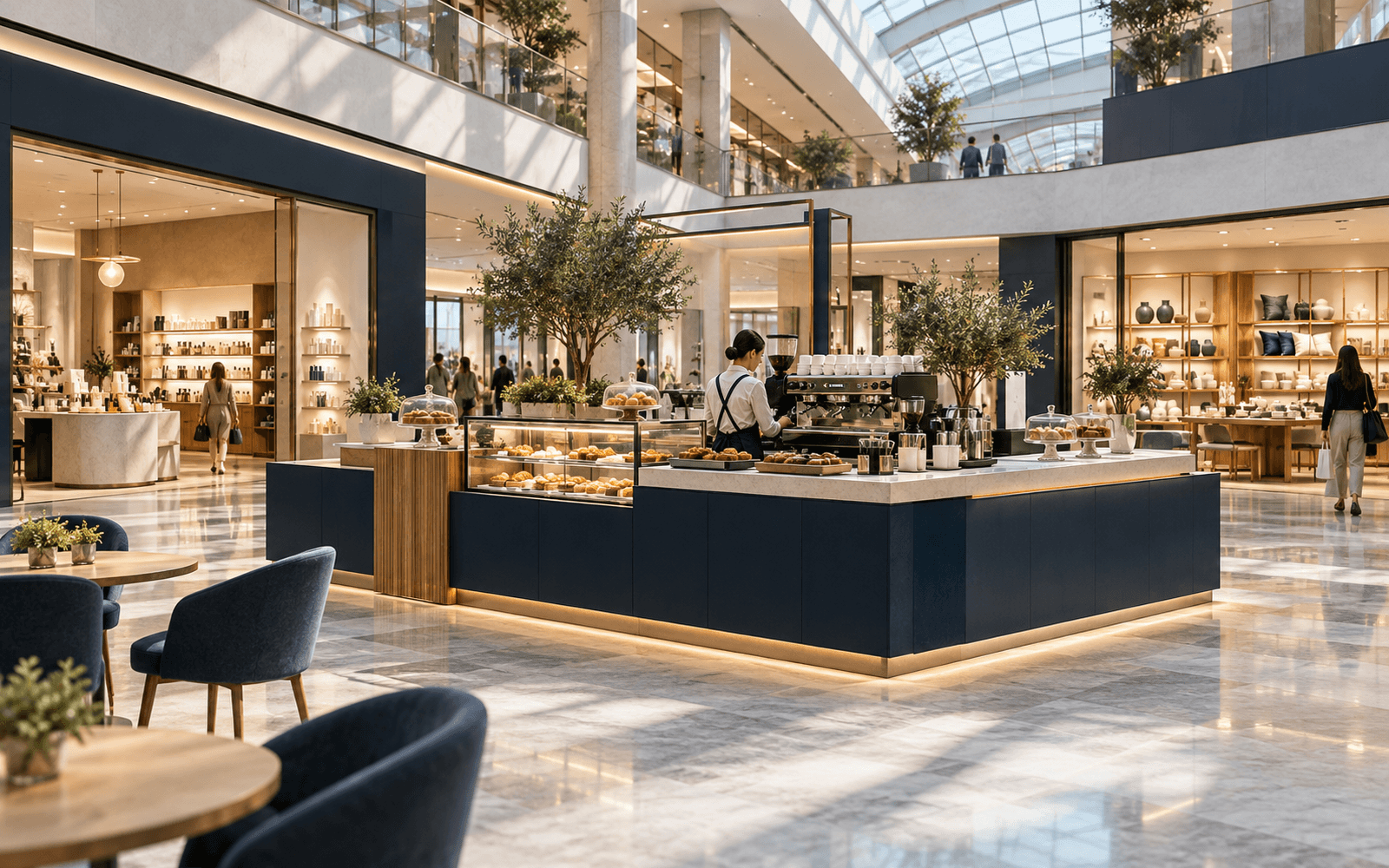
Retail expansion in Central Asia starts with a store operating model, a defined customer and a credible supply plan. An attractive shopping mall proposal is only one part of that decision. An international brand also needs to establish who will import its products, operate the store, fund inventory and maintain brand standards after opening.
This guide focuses on entering shopping malls in Uzbekistan and Kazakhstan, with a process that can be adapted to other markets after local verification. It addresses the retailer’s first store decision. It does not treat Central Asia as one regulatory system or assume that a successful store in one city validates another location.
1. Define the customer before choosing the city
Build a separate market brief for each candidate city. Compare the intended customer, competing formats, price points, shopping occasions and available locations. Tashkent, Almaty and Astana should have their own assumptions rather than sharing a regional sales forecast. Check when data was collected and whether it describes the country, the city or a particular shopping centre.
Choose a test assortment for the first store. Product sizes, seasonal demand, gifting, warranties and after-sales support may affect the offer. Interviews, store visits and price checks help test these assumptions. Mall footfall is useful context, but it is not equivalent to the number of potential customers for your brand. Identify the relevant audience and the route it takes through the property.
2. Select an entry model with explicit responsibilities
Direct operation, franchising and distribution allocate control, funding and execution differently. The comparison below describes commercial responsibilities; the legal structure and permissions require country-specific review. A joint venture also needs separate decisions about ownership, governance and exit rights.
| Model | Typical operating arrangement | Resolve before committing |
|---|---|---|
| Brand-operated store | The brand takes responsibility for the local operation and funding. | Local management, entity structure and working capital |
| Franchise | An authorised operator uses the agreed brand system. | Territory, standards, training, oversight and fees |
| Distribution | A partner distributes or resells the products through agreed channels. | Channel rights, inventory exposure and trademark permissions |
A distribution appointment should not be treated as automatic permission to open a branded store or grant sub-franchises. Record the territory, product scope, authorised channels and term. Also distinguish a single-store agreement from rights to develop a wider territory. Expansion milestones should reflect evidence and operating capacity rather than an ambitious store-count promise.
3. Test the partner’s ability to run the business
Review more than the partner’s contacts. Visit operating stores, check management experience and seek verifiable references. Understand ownership, signing authority and funding. Ask how the business records sales, replenishes stock, handles customer complaints and reports performance to brand owners.
Specify who signs the lease, employs staff, imports stock and approves promotions. Agree how returns, unsold products, customer information and remaining inventory will be handled if the relationship ends. Where a candidate already represents other brands, examine competing commitments and the resources available for your opening. A presentation of regional reach does not establish that a local team is ready.
4. Match the mall and unit to the retail format
Compare units by floor, visibility, frontage, neighbouring categories and the customer journey. Request dated traffic information and its measurement method, then visit at different times. For a project under development, separate planned features and opening dates from completed works. Check storage, deliveries and the technical needs of the proposed use alongside the sales area.
Prepare a concise brand pack containing positioning, price range, store examples, space requirements, technical requirements and the preferred opening window. MG Global Partner’s shopping mall leasing service explains the property-side work on tenant mix, leasing plans and negotiations. Understanding those priorities helps a brand prepare a relevant proposal. The service description does not establish current unit availability or acceptance by a particular mall.
5. Build a store-level budget and a replenishment plan
An Uzbekistan investment assessment for a retail brand should connect the market opportunity to the economics of an individual store. Separate fit-out, equipment, opening inventory, deposits and pre-opening costs from recurring rent, service charges, payroll, utilities and marketing. Record both the cost and its payment date. Recoverable deposits still create a funding requirement.
Estimate the cost of products reaching the shelf, including relevant transport, handling, customs and storage items. Confirm tax treatment separately rather than treating every payment as a permanent cost. Then assess the effect of markdowns and returns on margin. Test changes in exchange rates, selling prices and replenishment lead times. A store can show an attractive margin while needing more cash to replace stock.
Explain sales assumptions through store visits, conversion and average transaction value, using consistent definitions. Prepare lower-sales, delayed-opening and slower-stock-turn scenarios. Set the level of evidence needed before approving a second location; opening-week promotions alone are not a reliable basis for expansion.
6. Connect the lease programme to operational readiness
Record access for works, handover, rent commencement and customer opening as separate milestones. Align them with product delivery, staff training and systems testing. Assign owners to local entity, trademark, product conformity, labelling, tax and employment checks. Confirmation in one country should not be assumed to cover another.
Review the leasing process alongside the operating programme. Confirm whose interests each adviser represents, the agreed scope and how conflicts are handled. Leasing coordination does not automatically include legal advice, customs brokerage, company formation or franchise development.
| Decision area | Evidence required | If it is missing |
|---|---|---|
| Customer and offer | Customer brief, price checks and test assortment | Revisit the product and price assumptions. |
| Operator and authority | Documented responsibilities and brand permissions | Resolve accountability before commitment. |
| Unit and handover | Plan, technical scope and delivery programme | Keep unresolved works outside the confirmed opening plan. |
| Supply and funding | Delivery plan, cost build-up and cash scenarios | Allow for replenishment and delays. |
| Opening and measurement | Assigned team, trial transactions and reporting plan | Close the gaps before approving opening. |
7. Use the first store to inform the next decision
Agree how sales, gross margin, conversion, product availability, returns and cash requirements will be measured. Separate launch activity from ordinary trading. When results miss the plan, examine the customer proposition, location, stock and execution before changing the expansion schedule.
To discuss your target country and city, entry model, space requirements and timing, contact MG Global Partner. Share your brand profile so the team can assess the request and clarify the support available for the market concerned.
 ChatGPT
 Claude
 Perplexity
 Grok