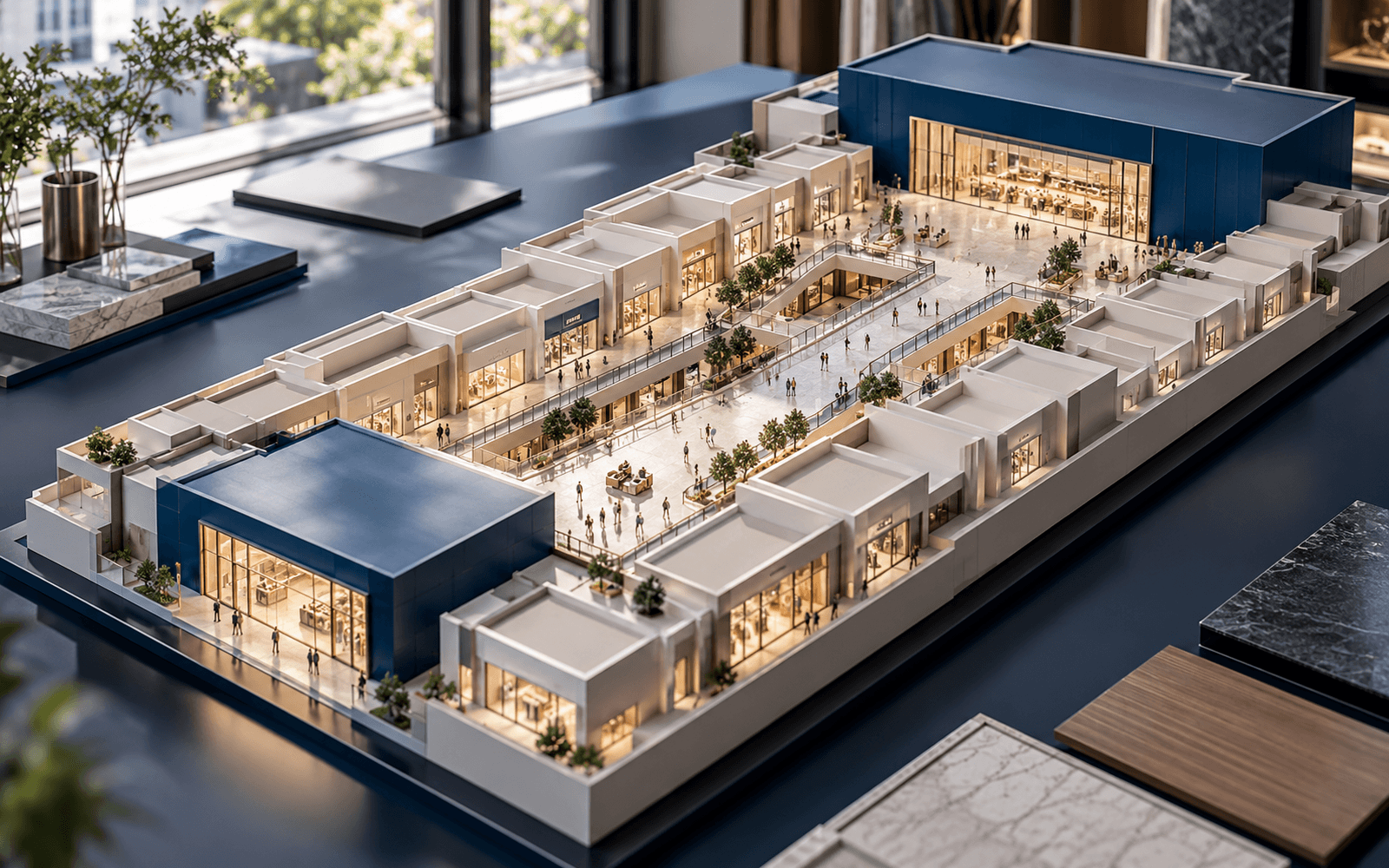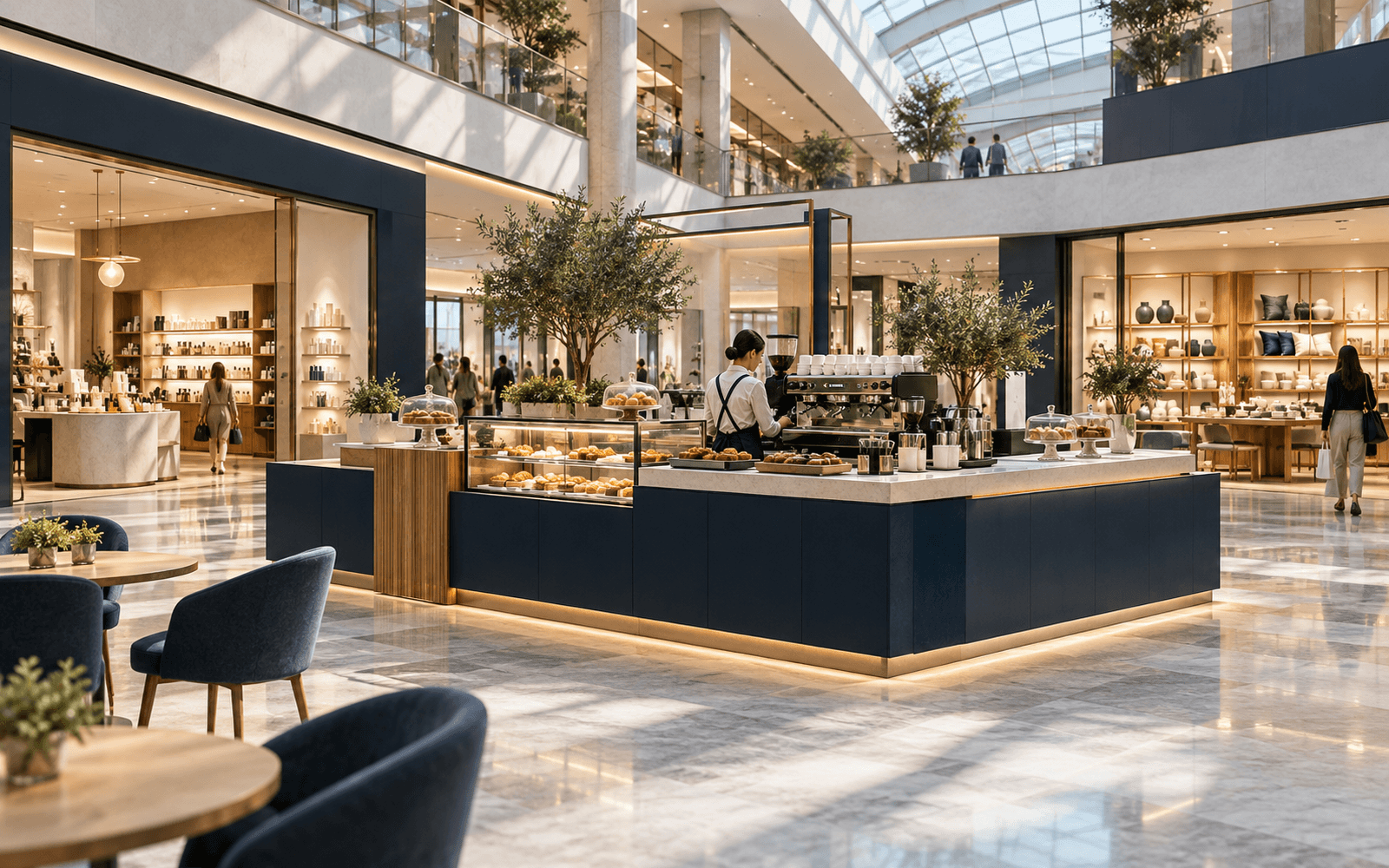
Understanding how to attract tenants to a shopping mall starts with a clear proposition for each available unit. Owners need reliable property information, a justified brand shortlist, a usable leasing offer and a disciplined way to move enquiries towards opening. These seven steps provide a practical framework for both a new development and an operating mall with vacant space.
1. Diagnose the vacancy before promoting the unit
Create a separate record for each unit, including its location, floor area, frontage, services, delivery condition and availability date. Review previous enquiries and reasons for rejection. A vacancy in a new development has a different context from a unit that has repeatedly failed to secure a tenant in an established centre.
Check whether the obstacle is pricing, visibility, customer fit, physical configuration or timing. Mall entrance counts do not establish how many people pass a particular storefront. Label the measurement period and method, and distinguish forecasts for an unopened project from observed footfall. Retailers should be able to assess the evidence behind the offer.
Use a coordinated shopping mall leasing plan to set release priorities, commercial boundaries and approval responsibilities. The landlord, leasing team and appointed agents should work from the same current unit information.
2. Build a shortlist around brand and unit fit
A famous name is not automatically a suitable prospect. Compare customer profile, price positioning, store size, existing locations and operational readiness. Include regional and independent operators where their offer serves the centre’s audience. Record why each brand belongs on the list and what still needs to be verified.
Identify the expansion decision maker and confirm whether the business is actively considering the location. A franchise applicant may need separate authority from the brand owner. Record the contact source and verification date rather than treating an old expansion announcement as an active requirement.
The agreed tenant mix strategy should guide category priorities. At this stage, turn those priorities into specific prospects and suitable units. Avoid promising a category exclusivity arrangement before reviewing the implications with the relevant decision makers.
3. Prepare a leasing pack that supports a decision
When deciding how to find tenants for a shopping mall, consider what a retailer needs before committing time to a visit. Begin with a concise property summary and make detailed plans available to qualified prospects. Put the unit reference, issue date and responsible contact on every version.
| Pack component | Information to provide | Evidence check |
|---|---|---|
| Location and audience | Access, surrounding uses and target customers | Research source and date |
| Unit layout | Area, frontage, storage and delivery condition | Current plan and area definition |
| Visitor information | Relevant traffic periods and unit context | Observed figures versus forecasts |
| Technical capacity | Power, ventilation and servicing access | Written technical confirmation |
| Commercial terms | Rent, service charges, security and incentives | Currency, period and tax treatment |
| Programme | Handover, fit-out and proposed opening | Dependencies and responsible parties |
State whether measurements use square metres or square feet and whether rent is quoted monthly or annually. Show neighbouring occupiers as trading, signed or under discussion. A prospective tenant’s logo must not imply a secured commitment. Share commercially sensitive occupier information only with appropriate authority.
4. Match outreach channels to the target audience
Direct contact with expansion teams, specialist leasing agents, industry meetings and the mall’s own leasing enquiry page serve different purposes. Assign each channel a role. Consumer advertising can support the centre’s visibility, but audience reach alone does not demonstrate qualified tenant demand.
A first approach should explain the reason for contacting that particular brand, identify the proposed unit and suggest a useful next step. Offer a brief suitability discussion or the relevant plan. Avoid sending the same long presentation to every contact. Respect communication preferences and do not treat silence as interest.
Where several agents are involved, agree who records the prospect, who leads communication and how commercial responsibilities are handled. A shared register helps prevent duplicate approaches and inconsistent offers to the same retailer.
5. Qualify interest and make the site visit productive
Confirm the proposed format, space requirement, decision timetable and operating entity. Ask for information proportionate to the stage of the discussion. Detailed financial documents should have an identified reviewer and purpose. Assess the ability to fund fit-out and operations rather than relying entirely on brand recognition.
Invite the appropriate technical colleague to answer questions during the visit. In a hypothetical example, a café operator likes the frontage but cannot proceed until water supply and ventilation requirements are resolved. A rent discount does not establish technical suitability; the team first needs a feasible solution, cost responsibility and programme.
After the visit, send a clear record of agreed points, unresolved questions, documents required and the next decision date. If the actual decision maker has not been identified, a positive tour should not be reported as an approved commercial offer.
6. Connect agreed terms with delivery and opening
Compare proposals on a consistent basis. Separate base rent, service charges and any other agreed payments. Show the duration and conditions of rent-free periods, fit-out contributions or stepped rent where these are offered. The owner needs to understand the full commitment before approving concessions.
The legal effect of heads of terms and other preliminary documents depends on their wording and the applicable jurisdiction. Have the appropriate advisers review authority, obligations and approvals. This workflow does not provide a lease template or assume one country’s rules apply elsewhere.
After signature, assign responsibility for design review, handover, fit-out coordination and opening readiness. A signed lease and an open store are different milestones. Reporting them separately makes the transition from leasing to centre operations easier to manage.
7. Track progress, delays and reasons for lost opportunities
Keep one record for each brand–unit opportunity. Include the current stage, latest contact, next action, owner and reason for any delay. The following illustrative register can be adapted to the project’s approval process.
| Stage | Evidence of progress | Next action |
|---|---|---|
| Qualification | Category and space fit confirmed | Meet the decision maker |
| Site assessment | Visit record and requirements | Resolve technical questions |
| Offer | Dated commercial proposal | Track response and revisions |
| Lease | Approved and signed documents | Prepare handover |
| Opening | Trading commencement confirmed | Transfer to operations |
Compare channels using opportunities that entered the process in the same defined period. Do not divide this month’s enquiries by signatures from an unrelated earlier group. Record lost opportunities by reason, such as unsuitable size, pricing, timing or technical limitations, and use that information to revise the next approach.
MG Global Partner’s retail leasing consultant service covers proposal evaluation, negotiations and operational coordination. Bringing an up-to-date vacancy schedule and existing offers to the initial discussion helps define the support required.
 ChatGPT
 Claude
 Perplexity
 Grok